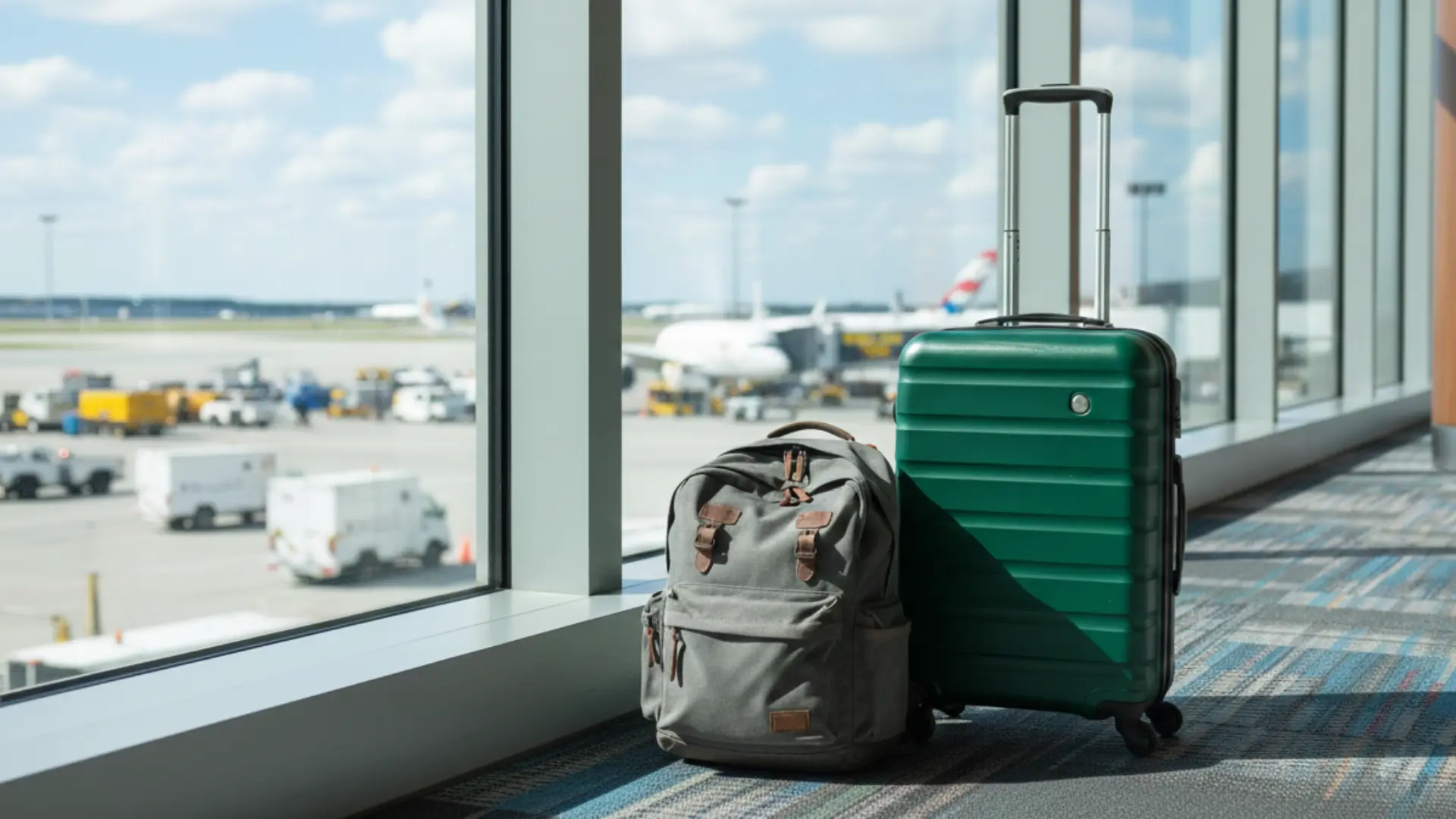
Navigating airport baggage rules can feel like solving a complex puzzle. One of the most common sources of confusion for travelers is the difference between a "carry-on bag" and a "personal item."
Airlines are becoming increasingly strict in baggage sizes and enforcement, so knowing exactly what each term means for your flight is important for a smooth journey.
The Core Difference: Storage Location and Dimensions
The fundamental difference between a carry-on and a personal item boils down to where it is stored on the plane and the overall size of the bags.
A. The Carry-On
Your carry-on is designed to be stowed in the overhead bin above your seat. It's typically your primary item for shorter trips, or for essentials you want with you in the cabin.
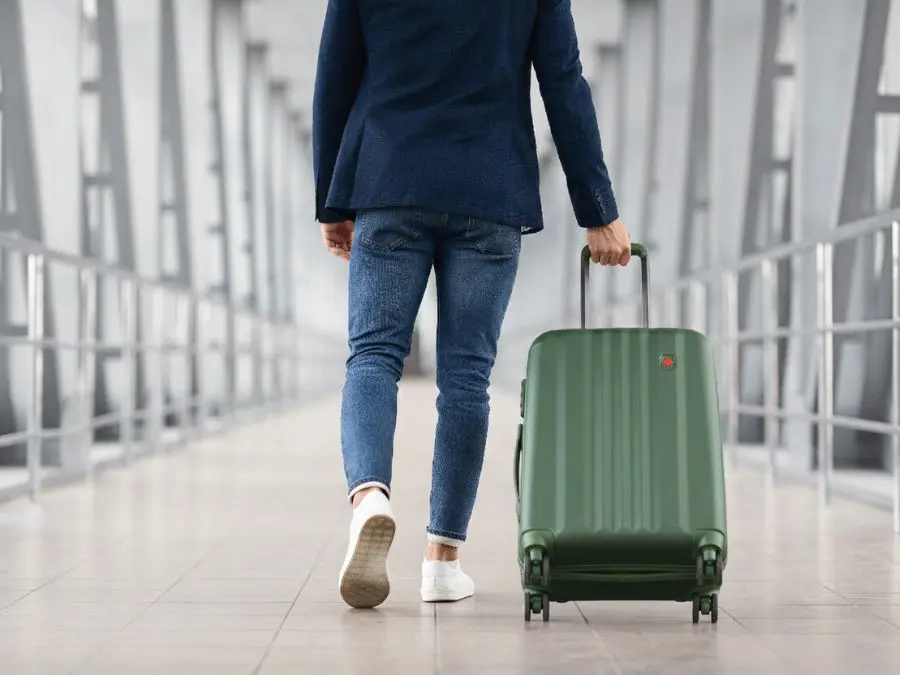
- What it is: Usually a small suitcase or luggage (often with wheels), a larger duffel bag, or a travel-sized backpack.
- Where it's stored: Exclusively in the overhead compartments.
- Typical Dimensions: While these vary slightly by airline, a common guideline is 22 x 14 x 9 inches (including wheels and handles). It's imperative to measure accurately, as even an extra half-inch can trigger a gate-check fee.
- Purpose: This is where you'd pack your main clothing items, shoes, toiletries (adhering to TSA liquid rules), and other larger necessities for your trip.
B. The Personal Item
Your personal item is a smaller bag specifically designed to fit under the seat in front of you. It's meant for items you need immediate access to during the flight.

- What it is: This could be a laptop bag, a purse, a small backpack, a briefcase, or a camera bag.
- Where it's stored: It must be able to slide completely under the seat in front of you. This is non-negotiable for takeoff and landing.
- Typical Dimensions: Personal items are significantly smaller than carry-ons, often around 18 x 14 x 8 inches, but these can be even smaller for some airlines. The key here isn't just the numbers, but its ability to fit comfortably in the designated space without impeding legroom.
- Purpose: Think of this as your in-flight survival kit. It's perfect for electronics, medications, travel documents, snacks, a book, headphones, and anything else you want within arm's reach.
Do You Get Both? A Look at Airline Policies
This is where understanding your specific airline is paramount.
Most full-service airlines include a carry-on and personal item for each ticketed guest. This includes U.S. carriers like Delta, American, Southwest, and JetBlue.
View all available airline policies before you fly.
However, a Basic Economy ticket on United Airlines does not include a carry-on. It’s important to check your airline’s policies before you start to pack.
Budget carriers such as Spirit, Frontier, Ryanair, and EasyJet often operate with a "buy as you go" model. Your basic fare might only include a personal item that fits under the seat for free.
Bringing a traditional carry-on bag that requires overhead bin space will incur a separate fee, often more expensive the later your purchase.
Some international airlines, even full-service ones, might have stricter weight limits for carry-ons and personal items. Always review the policy for each leg of your international journey.
Why the Distinction Matters: Avoiding Fees and Stress
Misinterpreting these rules is one of the quickest ways to incur unexpected costs and travel headaches. A carry-on mistakenly brought on a fare that only allows a personal item can easily result in a $60-$100 gate-check fee.
Beyond the financial impact, trying to cram an oversized bag into a sizer or having to rearrange your belongings at the last minute adds unnecessary stress to your travel day.
Common Mistakes Travelers Make.
One of the most common mistakes is assuming a backpack automatically qualifies as a personal item. Many travel backpacks exceed under-seat height limits once packed.
Another frequent error is ignoring wheels and handles when measuring a carry-on. Airlines measure the full exterior dimensions. If the wheels push the bag over the limit, it’s oversized — even if the main compartment fits.
Overstuffing is another problem. Soft-sided bags may meet size requirements when empty, but once fully packed, they can bulge beyond the sizer frame. If a bag cannot slide easily into the measuring bin, it may be rejected.
These small misunderstandings often lead to unexpected gate fees.
Strategic Packing: Making the Most of Both
Once you understand your airlines' limits, you can pack smarter:
- Carry-on strategy: This is for your main wardrobe, extra shoes, and larger items. If you plan to avoid checked baggage fees, this bag holds the bulk of your belongings.
- Personal item strategy: This bag is your in-flight essential hub. Always put valuable electronics, medications, travel documents, keys, and a change of underwear here. Why? Because if the overhead bins are full, or your carry-on is deemed too large, your carry-on might get gate-checked to your final destination. Your personal item, however, always stays with you.
Travel Smart, Travel Light
The key to a smooth airport experience lies in being prepared. Know the difference between a carry-on and a personal item, measure your bags accurately before you leave home, and always verify the specific baggage allowance for your ticket and your airline.
With a little foresight, you can sail through check-in and security, ready to enjoy your journey without any costly surprises.